In the world of education, the challenge isn’t just about doing more; it’s about doing what truly matters. Every year, schools roll out new initia
n the world of education, the challenge isn’t just about doing more; it’s about doing what truly matters. Every year, schools roll out new initiatives, workshops, and programs, often with the best of intentions. Yet, how often do we pause to ask, “How do we know this will make a real difference for our students?”
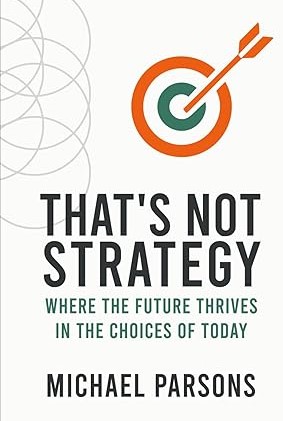
Michael Parsons, an educator and strategist, has spent over two decades helping schools find clarity in the chaos of change. In his book That’s Not Strategy, Parsons challenges the prevailing notion that “busyness equals progress.” Instead, he proposes a powerful idea: strategy is the bridge between intention and impact, and it is the key to achieving real, sustainable change in schools.
Strategy Is About Clarity, Not Activity
One of the most important lessons from That’s Not Strategy is the distinction between “strategy” and “planning.” Schools often mistake a list of tasks and initiatives for a strategic plan. But as Parsons explains, strategy isn’t just a to-do list; it’s a set of intentional decisions rooted in a theory of success. It’s about being clear on who you are as a school, where you are right now, and what specific actions will truly make a difference for students in the long run.
Schools are busy places. Teachers are teaching. Administrators are managing. But without a well-defined strategy, it’s easy to lose sight of the bigger picture. Educators may find themselves caught up in a cycle of responding to the latest trend or initiative, without ever asking if those efforts are really aligned with the school’s core mission and values.
Parsons’ Bullseye Strategy Model gives school leaders the clarity they need to turn good intentions into lasting impact. By answering five core questions—who are we here for, where are we now, why does this matter, how will we know if it’s working, and what will we commit to doing on purpose—schools can create a purposeful, coherent direction.
Making Bold Choices for the Future
One of the central tenets of Parsons’ approach is the idea of making bold, coherent choices. Strategy, as he describes it, is not about pleasing everyone or adding more tasks to the list. It’s about deciding what not to do and focusing on the initiatives that will have the most significant impact on students’ futures.
The future is uncertain, but one thing is clear: students need more than just content knowledge. They need to develop the critical thinking, adaptability, and resilience that will allow them to thrive in an unpredictable world. The challenge for schools is to design learning environments that not only meet today’s needs but also prepare students for the complexities of tomorrow.
To do this, schools must be intentional about the values they prioritize, whether it’s fostering creativity, empathy, or global awareness. By focusing on fewer, more impactful goals, schools can avoid the trap of initiative overload and ensure their actions are aligned with a clear, shared vision.
The Courage to Stick to What Matters
Implementing a strategy requires courage. It means making tough decisions and sticking to them, even when other distractions seem tempting. As Parsons highlights, real strategy demands clarity and focus, not just on what we’ll do, but on what we will say “no” to.
In an age where education is increasingly driven by new trends, schools must ask themselves: “Are we acting with purpose? Or are we simply responding to the next new thing?” Strategy is about standing firm on the values that matter and committing to them with clarity and consistency.
A Call to Action for School Leaders
For educators and school leaders who want to see real change in their schools, That’s Not Strategy offers more than just a theoretical framework—it provides a practical, actionable blueprint for building schools that are focused on long-term impact. By embracing strategy, not just planning, schools can create a culture of purpose and alignment that will drive lasting success for students.
If you’re ready to move beyond busywork and start building a school that truly prepares students for the future, the Bullseye Strategy Model is your roadmap. Strategy is about making intentional choices, grounded in values, and committed to measurable outcomes. By focusing on what matters most, you can create the foundation for a school that transforms the lives of its students—today and for years to come.